


TL;DR:
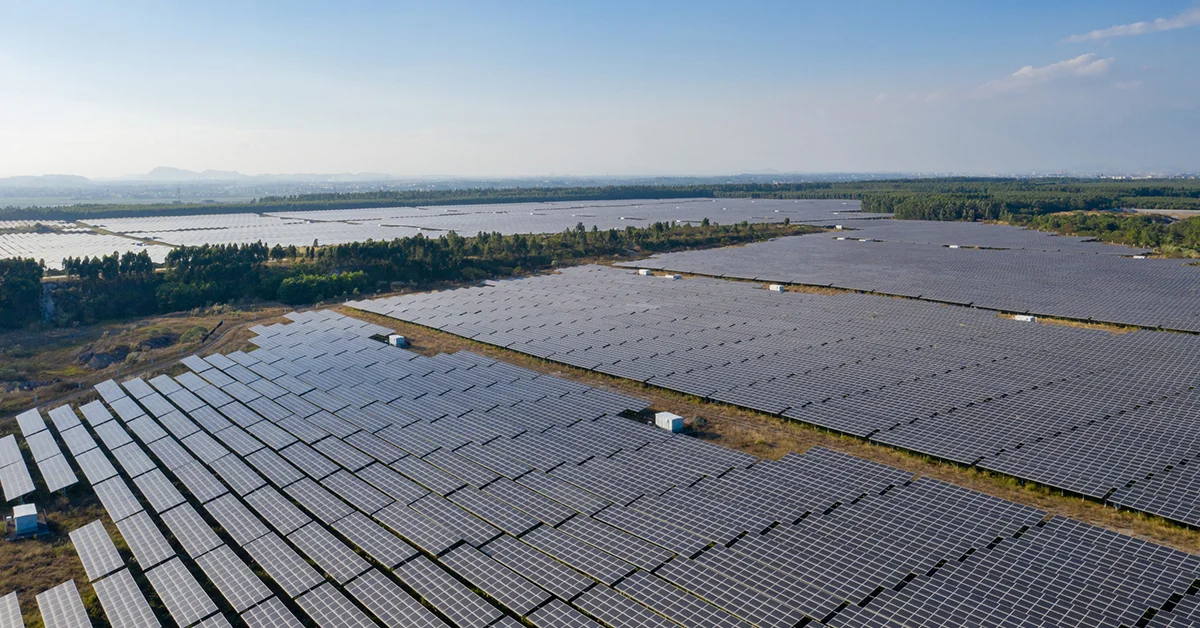
Malaysia’s energy mix is changing, with solar energy offering property owners a new way to manage costs, reduce risk, and support sustainability. This article breaks down the real cost, performance, and policy factors of solar energy in Malaysia, giving you a clear edge in deciding what works best for your property.
Rising energy costs and shifting regulations are prompting property owners nationwide to rethink their approach to power. As solar energy in Malaysia gains momentum, the debate over long-term returns from solar versus fossil fuels is more relevant than ever.
Comparing the Costs: Solar Energy and Traditional Power in Malaysia
Electricity costs in the country depend on fossil fuels like coal and natural gas. This system faces challenges, as both fuels expose consumers to global price changes and ongoing supply risks. In recent years, decreasing solar technology costs and better financing solutions have started to make solar energy more attractive.
Solar energy in Malaysia is now a practical option for property owners pursuing long-term savings. Studies from the International Renewable Energy Agency (IRENA) show that solar’s installed costs have fallen across Asia, making it one of the most cost‑competitive choices for businesses and households — even as financing factors led to a slight increase in average electricity costs in 2024. As the gap continues to close, rooftop solar stands out as a strategic investment over traditional power sources.
How Solar Energy Delivers Better Long-Term Value
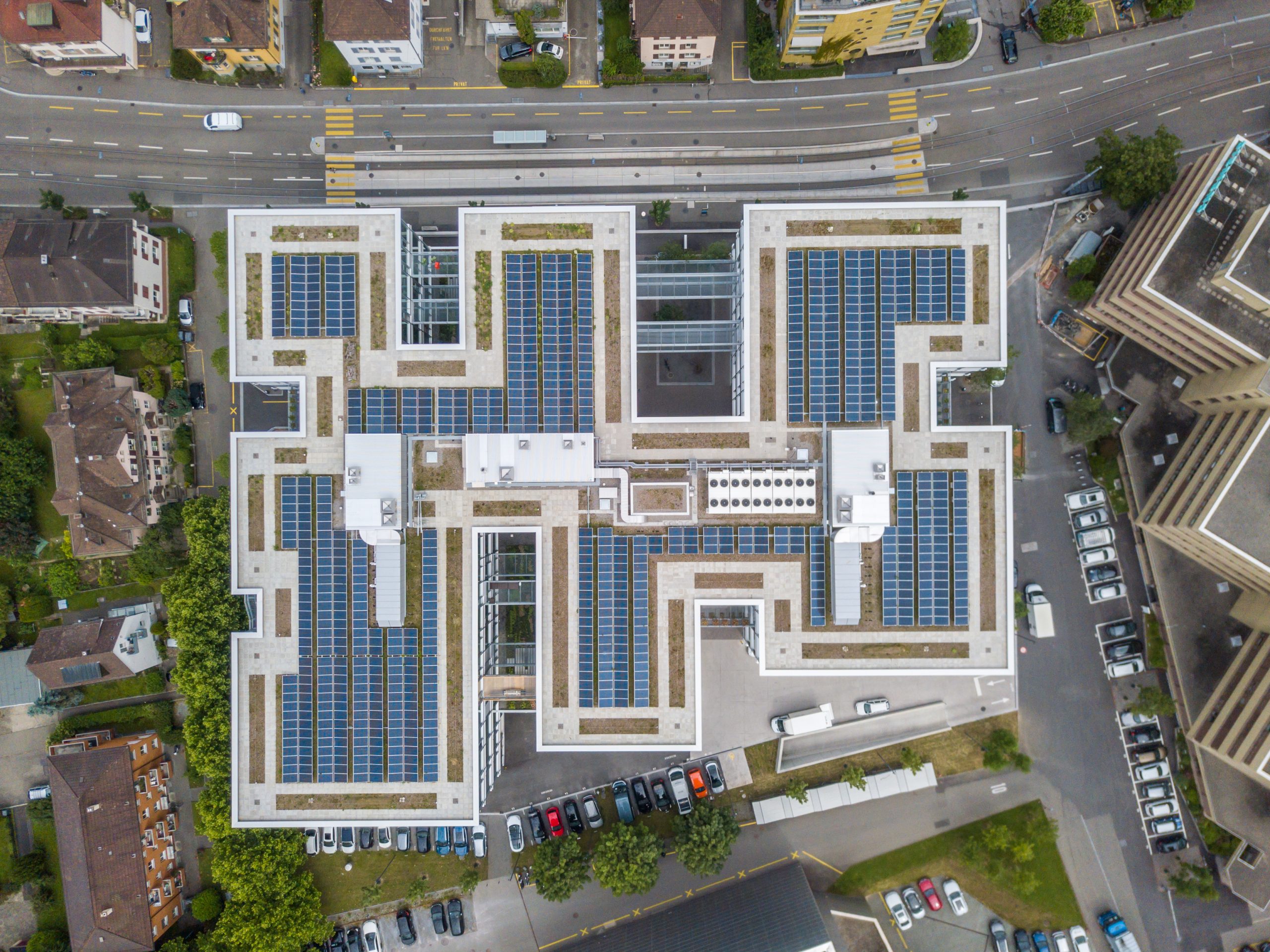
Fossil-fuel plants may offer steady power, but their hidden costs keep rising. Expenses tied to regular repairs, changing fuel prices, and future regulations impact their true value. Solar energy, once installed, provides stable output for decades. With only minor maintenance, rooftop systems keep running reliably. For most commercial, industrial, and residential users, this means lower utility bills and less exposure to sudden tariff increases.
Rising electricity costs and fuel price swings remain an ongoing challenge. Evaluate the potential of solar energy for your building and take control of your energy strategy — start with a site assessment today.
How Efficient is Solar Compared to Fossil Fuels?
When evaluating energy options, efficiency and reliability are essential factors. Solar technology and fossil fuel plants each have unique qualities that impact daily performance and the user’s peace of mind.
Performance and Reliability for Homes & Businesses
When weighing solar against fossil fuel power, property owners want clear answers on reliability, costs, and real-world performance. The table below compares solar energy in Malaysia against the national grid’s traditional sources.
| Factor | Rooftop Solar PV Systems | Fossil Fuel Power Plants (Coal/Gas) |
| Operational Reliability | High; few moving parts, stable output | High, but subject to scheduled and unscheduled outages |
| Maintenance & Downtime | Low; routine inspections, remote monitoring | Higher; complex machinery, fuel interruptions risk |
| Cost Predictability | Fixed post-installation; immune to fuel volatility | Variable; tied to global fuel prices and tariffs |
| Emissions During Operation | None | Considerable (CO₂, particulates) |
| Suitability | Scalable for homes and businesses | Utility-scale only; not feasible for individual sites |
| Performance Tracking | Real-time monitoring for users | Centralised at generation site; limited end-user data |
Sustainable Energy Solutions for the Future
A growing demand for cleaner energy and global policy momentum are reshaping how the country plans its power sector. The energy sector is investing in long-term frameworks that prioritise renewables and flexible solutions for all types of energy consumers.
Government Strategies and Trends Shaping the Market
The government is working to increase the share of renewables in the nation’s energy mix, and rooftop solar is a key part of this plan. Agencies like SEDA Malaysia and the Energy Commission set rules and create programmes that make it easier for both large and small users to choose solar.
New investments in the grid, along with faster approval processes, are making the switch to solar smoother for businesses and households. These steps show that solar is now an important part of the country’s energy strategy, not just an extra option.
The Benefits of Switching to Solar Energy
The benefits of solar energy in Malaysia extend far beyond utility savings and environmental considerations. More businesses and households are investing in solar as a strategy for protecting against rising expenses and strengthening control over day-to-day operations.
Greater Energy Independence and Cost Control
Ongoing dependence on fossil fuels — summed up as “the nation’s fossil fuel dependence” — means businesses and homes must prepare for volatility and uncertainty. Moving to solar PV allows energy users to predict and control more of their own costs, making budgets easier to plan. Solar adoption also reduces reliance on imported fuels, which helps strengthen domestic energy security.
Environmental Impact: Fossil Fuels vs Solar Power
Reducing the national carbon footprint is a national priority, with energy generation at the heart of the conversation. The source of electricity determines not only emissions, but also the quality of air and community health.
Reducing Emissions and Creating Healthier Communities
How you choose to generate electricity has a direct impact on emissions and air quality. The table below compares solar, coal, and natural gas on these key factors.
| Factor | Rooftop Solar PV | Coal Power Plants | Natural Gas Power Plants |
| Emissions During Operation | None | High (CO₂, particulates, SO₂) | Lower than coal, but still CO₂ |
| Impact on Air Quality | None | Major source of air pollution | Moderate; fewer particulates |
| Greenhouse Gas Contribution | Zero | Largest source for the grid | Less than coal, but significant |
| Community Health Risks | None | Linked to respiratory illness | Lower than coal, but not zero |
| Support for Carbon Reduction | Strong | Negative | Somewhat better than coal |
Take Your Next Step with Solar Energy and Northern Solar
When it’s time to act, working with the right EPCC partner is critical. Northern Solar specialises in guiding property owners through every stage of solar implementation — from technical planning and regulatory approval to customised project execution and compliance.
Whether you’re upgrading a commercial facility or adding value to your home, you benefit from experienced oversight and a straightforward transition to sustainable energy.
Connect with our experts to assess your site, clarify regulatory steps and discover how you can maximize the benefits of solar energy in Malaysia through a tailored energy strategy. Schedule a free consultation — your energy transition begins with informed action.