

TL;DR: If you’re investigating the option of solar panels for home, learn how to make the most of your investment and follow all legal requirements before installation. This article shares the most effective advice used in Malaysia and worldwide, offering a step-by-step guide to solar readiness tailored for local households.
More Malaysian homeowners are choosing solar power each year, driven by rising electricity costs, environmental awareness, and government support for renewable energy. Before making an investment in solar panels for home, preparing your property thoroughly can protect your savings and avoid any issues with the rules. Here’s how to make your home truly solar-ready.
Home Solar Panel Readiness Checklist
Before installing residential solar panels, begin with these key checks and steps:
- Confirm your home’s eligibility for grid connection under local regulations
- Engage a registered electrical contractor for initial assessment
- Assess your roof’s size, orientation, and structural integrity
- Evaluate daytime shade coverage and solar access
- Gather historical energy bills for analysis.
Is Your Home Ready for Solar Panels?
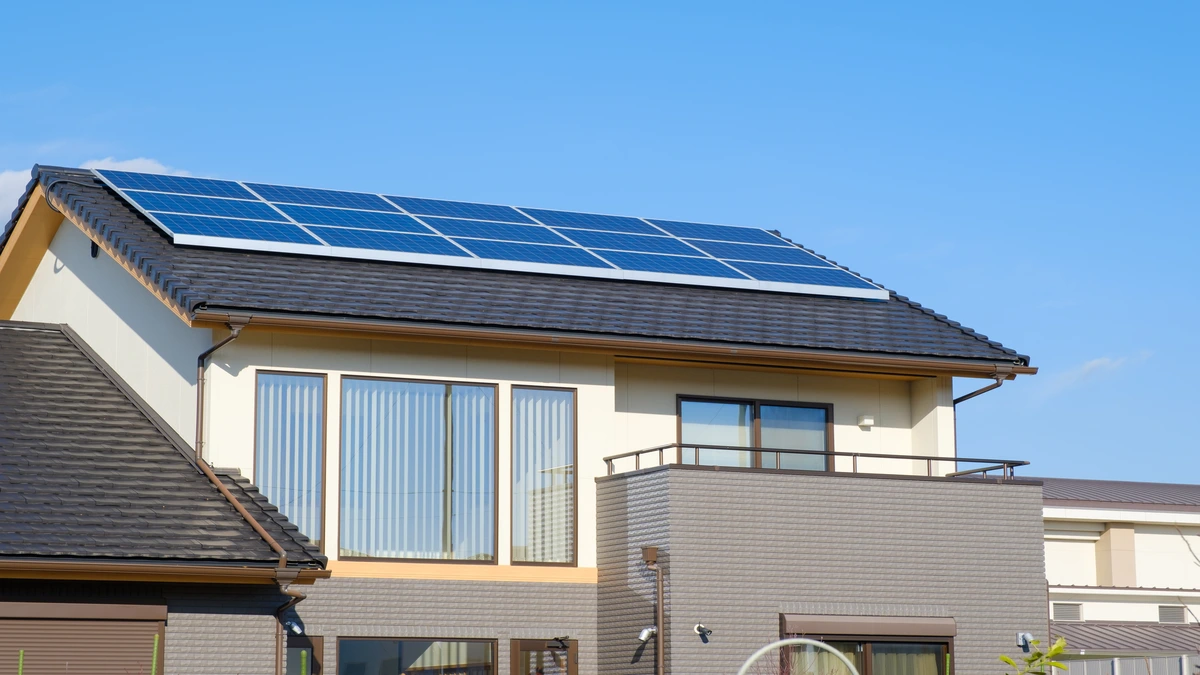
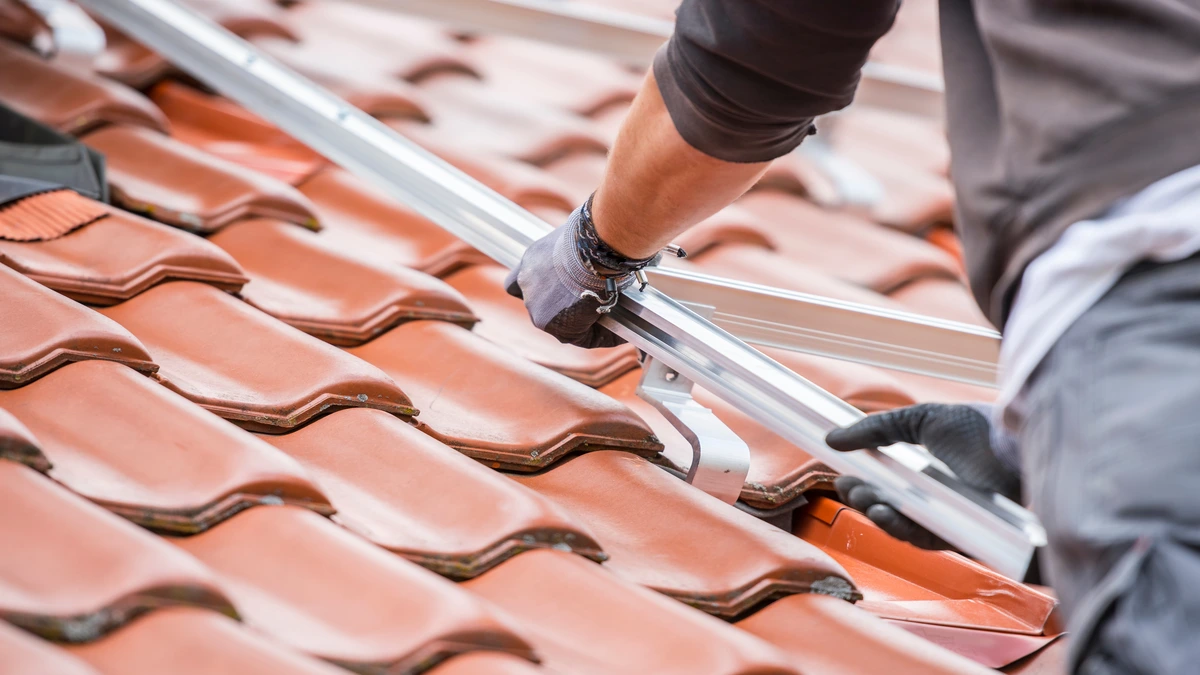
A solid roof is the foundation of your solar investment. To answer “how to check if my roof is ready for solar panels?” consider slope, age, material, and bearing load. Secure fasteners, minimal weather damage, and unobstructed surface are essential. Roof inspection for solar panels is best done by a professional, especially for leaks or hidden structural issues.
Reviewing Your Home’s Energy Profile
Track your household’s energy usage for a full year if possible. Use past bills to spot peaks, seasonality, or unusual loads. This energy profile guides system sizing and expected ROI, informing you about actual savings you can get for your solar panels at home.
Factors to Consider Before Installing Solar Panels
Successful solar adoption goes beyond hardware — it requires careful planning and knowing how Malaysia’s energy rules are changing.
Regulations, Approvals, and Utility Connection
All installations must comply with Energy Commission (ECOS) regulations. Here’s what to do:
- Hire only registered electrical contractors, as required by the ST
- Get all the needed permits and approvals from the authorities before you start the installation
- Register your solar system through the ST’s ECOS portal and make sure it passes the inspection.
How to Prepare Your Home for Solar Energy
Preparation and planning prevent future problems and help you get more value from your solar system at home.
Roof Repairs and Structural Checks
Repair leaks, replace worn roof tiles, and reinforce structure as needed before installation. A qualified structural engineer or electrical contractor should confirm that your home’s roof can handle the added load. Early intervention lowers future repair costs and downtime.
Optimising Sunlight and Minimising Shade
Trim overhanging trees and remove obstacles casting shade where panels will be installed. Sun path analysis tools or installer expertise can help you achieve year-round efficiency. Even minor shade can reduce panel output significantly.
Want to move forward?
Schedule a professional roof inspection with a licensed provider to secure your solar investment choice and start saving money for the long run.
Solar Panel Installation Tips for Homeowners
Once your home is ready for solar panels, the next step is making sure you work with certified experts and the right equipment for reliable, long-term results.
Selecting Trusted Installers and Equipment
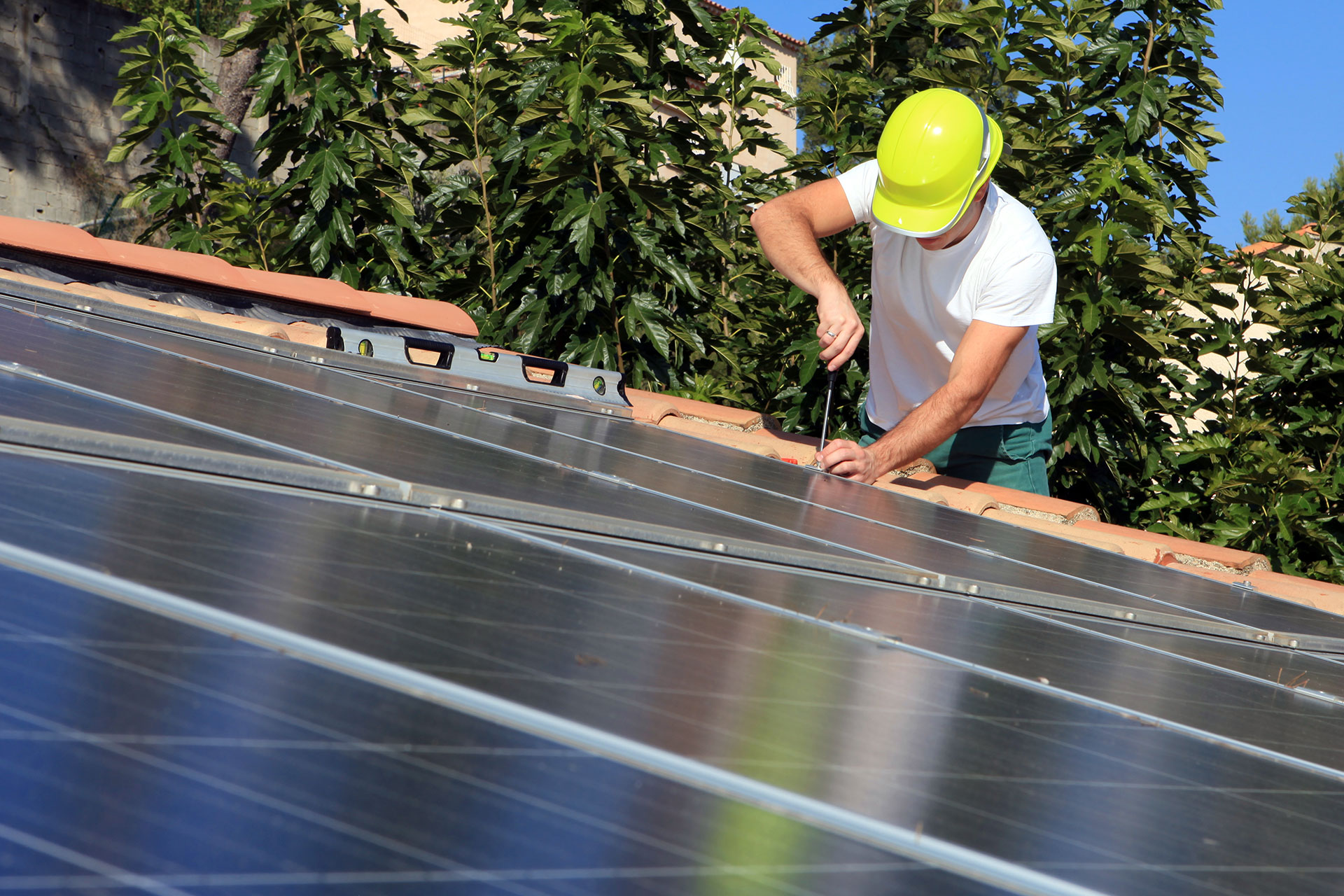
Choose installers and EPCC providers registered with the ECOS. Reputable contractors provide system planning, help with paperwork, and support after installation. Choose equipment that meets global safety standards and works well in tropical conditions.
Safety, Quality, and Maintenance Essentials
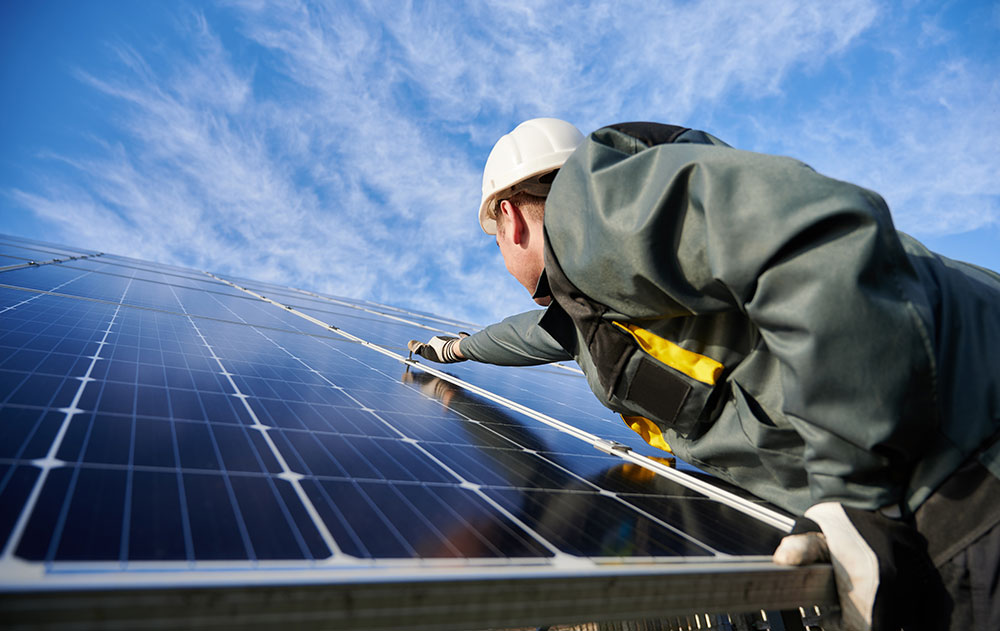
Safety is paramount with high-voltage systems. Always use qualified professionals for wiring and installation. After installation, follow these solar panel maintenance tips:
- Inspect and clean panels 2–4 times a year with water and soft tools
- Monitor inverter performance monthly and compare with historic output
- Keep records of service and output for warranty and troubleshooting
- Schedule annual checks by certified technicians.
Assessing Your Home for Solar Panel Efficiency
To get the best results from solar panels, it’s important to check how well your system performs after installation. Understanding efficiency helps you spot issues early and keep your system working at its best.
System Placement and Ongoing Performance
Panel orientation, tilt, and spacing directly impact how efficiently your system will work. Your installer should analyse shading patterns and recommend optimal layouts. With TNB SolaRIS, regular monitoring of system output and billing can uncover unexpected performance drops. Use manufacturer or installer monitoring platforms to track output and performance trends.
Turn Solar Plans into Action with Northern Solar Today
Once you’re ready to proceed with solar panels for home, work with a qualified Engineering, Procurement, Construction, and Commissioning (EPCC) company. Northern Solar — acting as your EPCC partner — can support every stage of implementation, from site readiness and regulatory compliance to project handover and ongoing system support.
Ask our team how we prioritise compliance and maintenance to help protect your investment and get the best results from solar at home.