

TL;DR:
Effective solar project outcomes depend on clear role definitions and qualified execution. In Malaysia, certified solar panel installers guarantee technical precision, while contractors manage regulatory compliance, system performance, and the coordination of complex projects. Each delivers distinct value in protecting returns and ensuring project reliability across the system’s lifespan.
Choosing the right partner for your solar investment requires a clear understanding of the responsibilities on site and throughout the project lifecycle. As demand for solar solutions expands across Malaysia, confusion between solar panel installers and contractors is common, but these roles differ in scope, authority, and impact on your system’s performance and compliance.
Understanding Roles in Renewable Energy Projects
In the regulated solar sector in Malaysia, project value and risk are shaped by the clarity of roles at every stage. Panel installers focus on the mechanical and electrical assembly, governed by precise technical codes and standard operating procedures. Solar contractors, by contrast, anchor project coordination and compliance, managing all aspects from system design and permit applications to sourcing, site work, and final handover.
The installer’s skill determines not only basic output, but also safety, operational consistency, and eligibility for government-backed schemes. Contractors sustain system reliability through oversight — coordinating on-site requirements, compliance steps, and risk safeguards necessary for significant solar projects. The relationship between these 2 roles builds trust in project viability and long-term system health in both residential and commercial settings.
What Does a Solar Panel Installer Do in Renewable Energy?
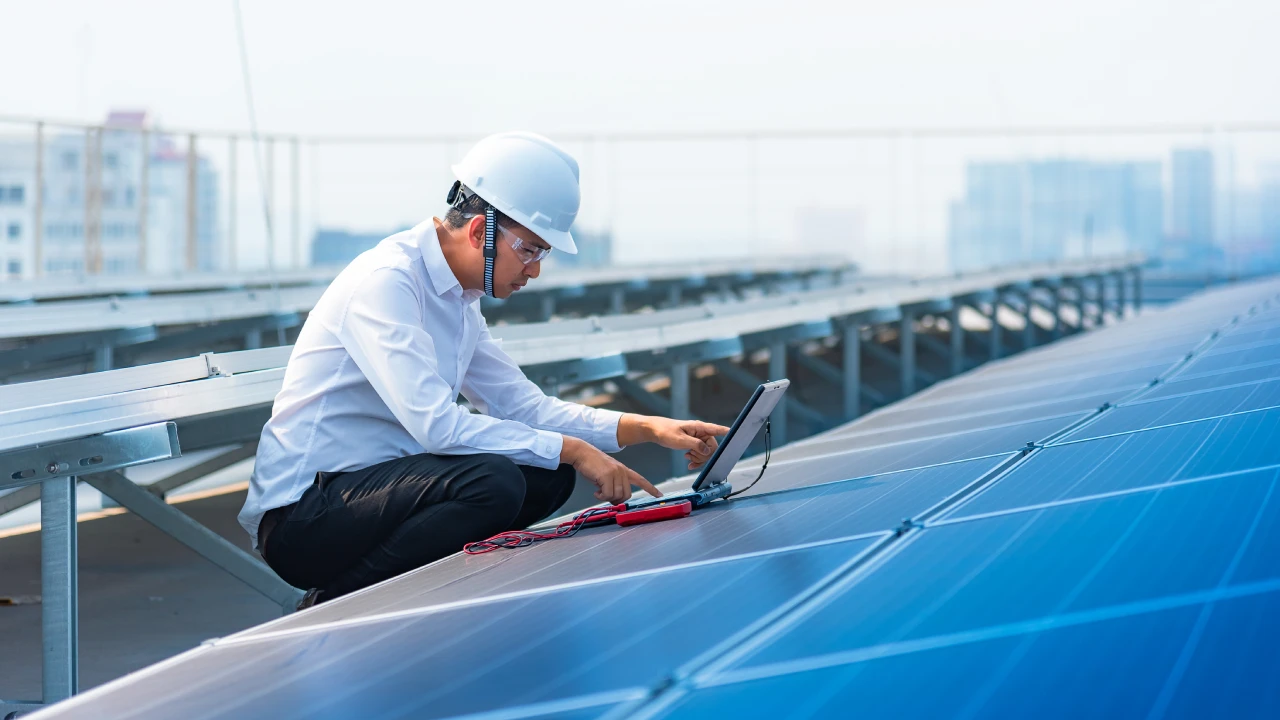
A solar panel installer is accountable for the physical assembly and electrical integration of photovoltaic modules, inverters, and mounting solutions. Installers rely on targeted expertise gained through approved courses and official certification, as required by SEDA Malaysia and the Energy Commission. Their actions — cable runs, system grounding, racking alignment — determine not just output, but system durability and compliance with statutory safety codes.
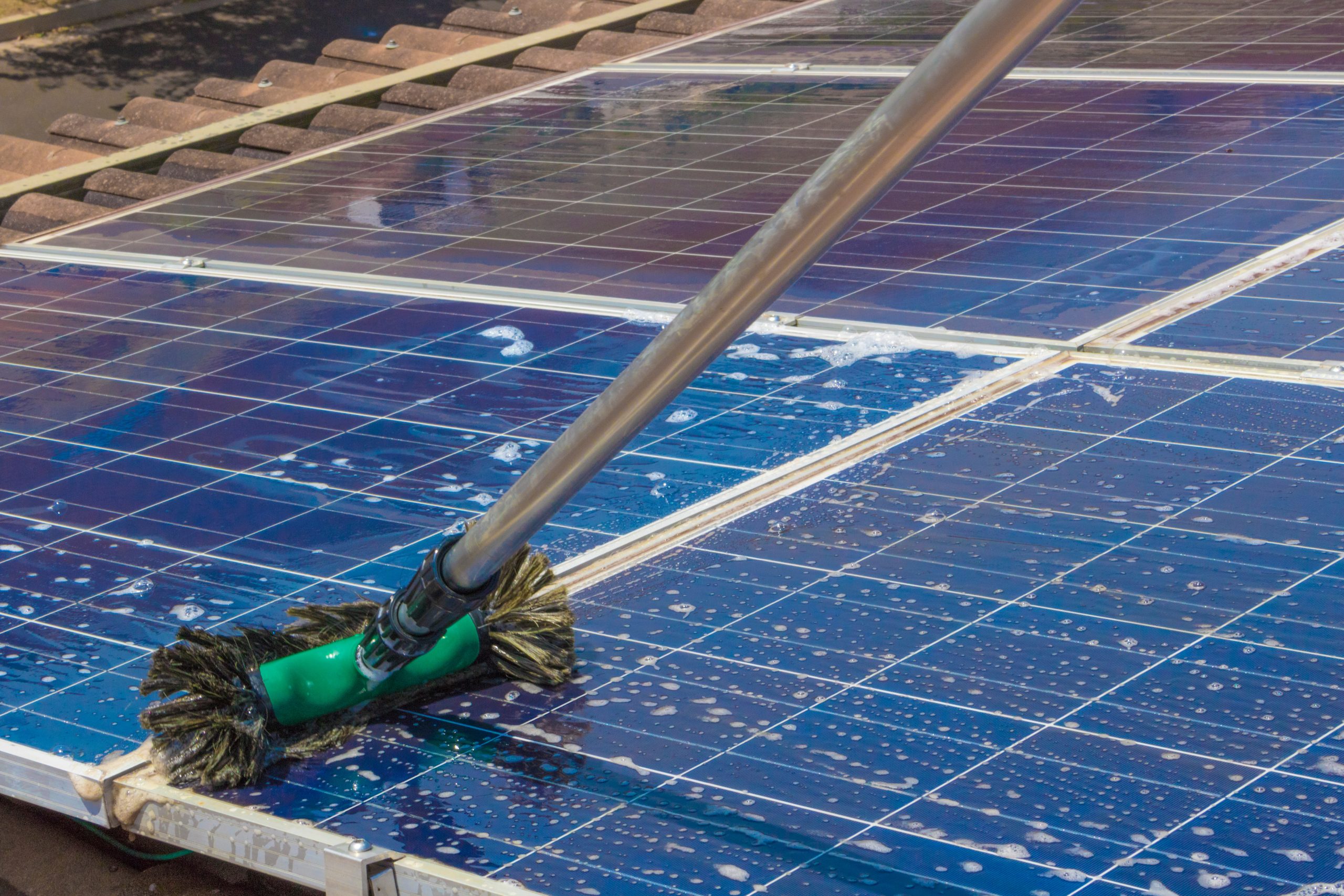
National regulations reserve installation tasks for certified professionals, a measure that protects owners from risks tied to faulty connections or overlooked hazards. Where routine issues such as debris, shading, or minor faults are concerned, basic owner checks may suffice, but any diagnostic or corrective work beyond cleaning requires the intervention of a certified installer.
How Solar Contractors Shape Renewable Energy Solutions
While the installer works on the roof, the contractor works on the lifecycle of the project. A solar contractor is responsible for a range of core project management and compliance tasks throughout each phase of a solar PV deployment:
| Contractor Responsibility | Description |
| System Design Review | Evaluates technical plans for code and performance alignment |
| Regulatory Documentation | Prepares and submits permits, applications, and compliance paperwork |
| Procurement | Sources all approved equipment and components |
| Scheduling and Construction Oversight | Coordinates site work, timelines, and team performance |
| System Testing and Commissioning | Conducts final system checks and documents readiness for operation |
| Grid-Connection Application | Interfaces with TNB and SEDA for grid integration and official sign-off |
| Warranty and Maintenance Protocols | Provides documentation for audits, warranties, and ongoing support |
Installer vs Contractor: Where Do Their Responsibilities Overlap?
There is practical overlap in quality assurance, system walkthroughs, and handover documentation. A contractor may employ in-house installers or delegate technical installation to vetted third parties, but remains the lead authority responsible for overall system performance, listed warranties, and regulatory filings.
The installer’s focus is limited to direct installation work, while the contractor assumes responsibility for legal standards, project finances, and all required documentation.
Which Expert for Your Renewable Energy Investment?
Determining whether a solar panel installer or contractor best fits a project is a function of scope and risk. Straightforward residential systems, where regulatory pathways are clear and scale is limited, can be delivered through a certified installer — with owners retaining responsibility for periodic checks and documentation.
Large-scale systems, and those interfacing with Net Energy Metering or other grid schemes, require contractual oversight — making certain that filings, site reviews, and maintenance records satisfy authorities and sustain system performance. Contractors provide sustained support in system troubleshooting, periodic re-commissioning, and the documentation required for warranty and regulatory purposes.
Comparing Installation Services for Financial & Environmental Value
System performance and financial returns both depend on more than technical assembly. A certified solar contractor is positioned to manage risk, align documentation with incentive frameworks, and ensure operational resilience through standardised commissioning and quality protocols. This approach delivers steady output, maintains insurability, and helps actual results match expected returns.
Over-reliance on independent installation without proper project management can expose owners to regulatory gaps and undocumented risks that manifest as lost incentives or safety concerns.
If you need expert advice on ensuring your solar project is fully compliant and tailored to your requirements, reach out to a certified team for a prompt response via WhatsApp.
Compliance, Trust & Certified Confidence in Renewable Energy
Property owners should verify or request the following from any installer or contractor:
- Valid technical certification (e.g., Wireman or Chargeman license)
- Current business and regulatory registrations with the Energy Commission and SEDA Malaysia
- Proof of up-to-date system commissioning and test records
- Documentation of maintenance routines and audit trails
- Transparent service agreements outlining warranty conditions and provider accountability.
Who to Hire: Achieving Reliable Results in Malaysia’s Solar Sector
For commercial and industrial investments, selecting a contractor deeply familiar with SEDA, TNB, and Energy Commission processes is essential — these projects benefit from structured oversight, risk management, and integrated documentation systems.
Residential owners can achieve positive outcomes with an experienced installer, provided all regulatory requirements are addressed and ongoing audit and support needs are recognised. For projects of any scale involving financial or compliance complexity, working with an EPCC provider combines planning, on-site delivery, and formal record-keeping.
Realise Your Renewable Energy Goals with Northern Solar
Clear project roles in solar investments provide consistent performance, fulfill regulatory duties, and support positive investment outcomes. Certified solar panel installers ensure your system is assembled and connected according to best practices, while registered contractors manage legal, financial, and operational requirements — especially for projects with incentive eligibility or complex grid connection needs.
Northern Solar acts as your EPCC partner, coordinating every step from design and documentation to installation and commissioning. This unified approach helps you meet Malaysia’s regulatory obligations and achieve long-term system reliability, whether for your commercial, industrial, or residential property.
If you are ready to move your solar project forward, meeting all regulations and operational benchmarks, you can contact us to discuss your goals and next steps.