

Summary:
Commercial solar panel adoption in Malaysia enables businesses to reduce electricity expenses, increase energy resilience, and meet regulatory and ESG goals. Typical projects deliver attractive payback periods and strengthen both financial and environmental performance. For decision-makers, solar investment is supported by mature frameworks, government incentives, and proven case studies across industrial and retail sectors.
Commercial solar panel adoption in Malaysia is accelerating as regulatory frameworks, rising electricity costs, and evolving ESG requirements reshape business priorities. Under the National Energy Transition Roadmap (NETR), Malaysia could unlock more than USD 700 million in value by 2030 through real-time clean power systems.
This shift is creating tangible opportunities for manufacturers, retail centres, and industrial facilities to invest in solar and enhance long-term sustainability reporting. Read on to review the technical and financial outcomes of these projects, drawing on current case studies from both industrial and retail sectors.
Showcase of Large-Scale Solar Successes
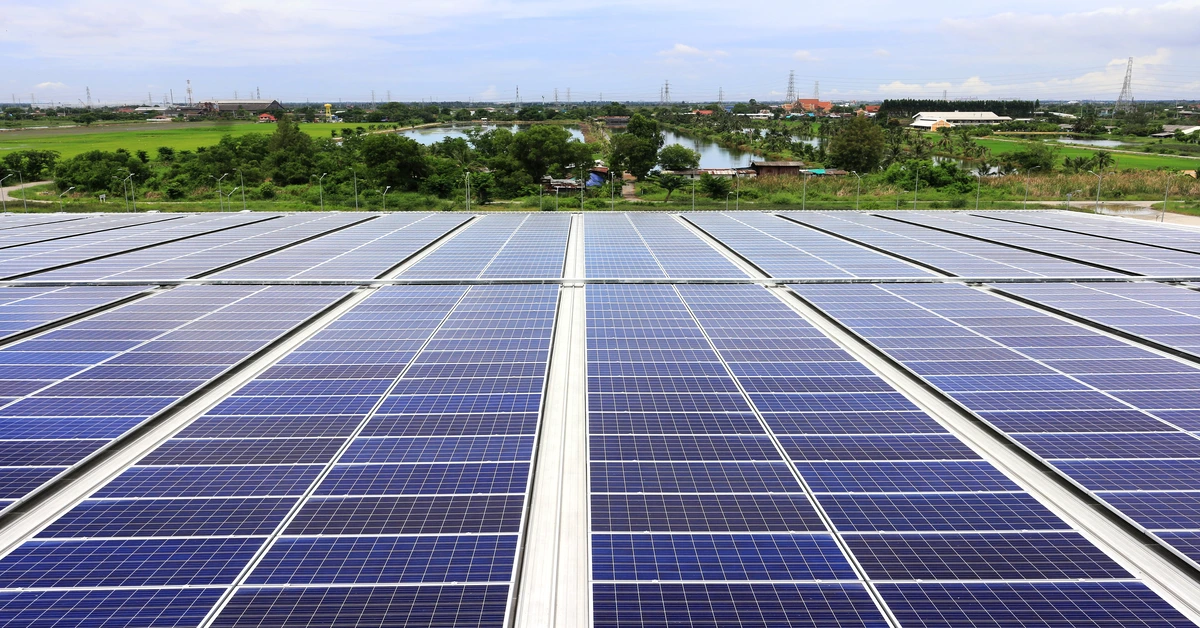
Malaysia’s commercial and industrial sectors are already seeing meaningful results from large-scale solar installations across various settings.
Industrial Solar Installations
Industrial-scale solar is transforming Malaysia’s manufacturing sector. Hartalega, a global glove manufacturer, stands as an example. Through solar adoption, they aim to minimise operating costs, reduce reliance on grid electricity, and meet international ESG requirements. While details about energy generation aren’t public, Hartalega’s sustainability profile confirms substantial investments toward solar integration and green operations — a template for peers in energy-intensive sectors.
Retail Solar Installations
Large retail centres are also turning to solar rooftop systems. 1 Utama, one of Asia's largest malls, invests in energy transformation with massive rooftop solar arrays to offset its energy demand. Notably, their ESG programme prominently features carbon avoidance via solar, improving mall operations’ energy stability and supporting “green shopping” branding.
Business Outcomes from Solar Adoption
Beyond environmental benefits, commercial solar investments have delivered practical financial and reputational gains for Malaysian businesses.
Electricity Bill Savings and Carbon Credit Revenue
A top reason to invest in commercial rooftop solar panels is energy savings. For example, a 100kWp rooftop system generates roughly 130,000kWh annually. At standard business tariffs (e.g., RM 0.50/kWh), this yields about RM 65,000 in yearly energy savings.
The table below displays the estimated annual energy savings for commercial solar panels (100kWp system example, at RM 0.50/kWh):
| System Size (kWp) | Approx. Annual Output (kWh) | Est. Savings (RM) |
| 100 | 130,000 | RM65,000 |
| 300 | 390,000 | RM195,000 |
| 1,000 | 1,300,000 | RM650,000 |
Public Relations Gains and Green Branding
Adopting commercial solar panels positions companies as market leaders in corporate responsibility. Firms often see improved brand perception, new green partnerships, and positive local press as direct outcomes of public sustainability commitments. Real reductions in Scope 2 emissions are also valuable in supply chain negotiations with international clients.
Thinking about solar for your facility?
Evaluate your recent electricity bills, sustainability goals, and site potential with a qualified EPCC provider to understand your exact savings and compliance options. Start early planning to help maximise incentives and accelerate ROI.
ROI Benchmarks for Commercial Solar Panel Projects
Assessing the return on investment is a primary step for any business; here’s what current market data reveals about commercial solar economics in Malaysia.
Capital Outlay, Payback Periods and IRR Benchmarks
Upfront investment is a primary concern. A typical 100kWp commercial installation costs RM350,000–450,000, depending on site characteristics and balance-of-system needs. Common payback periods range from 5–7 years. Some projects under favourable tariff and sunlight conditions achieve break-even in as little as 3 years.
These are the ROI and payback benchmarks for commercial solar installations in Malaysia.
| System Size (kWp) | Capex (RM) | Annual Savings (RM) | Payback Period (years) | IRR Example* |
| 100 | 350,000–450,000 | 65,000 | 5–7 | 12–16% |
* IRR varies with project scale, sunlight, and tariffs.
Maintenance Costs and Performance Guarantees
Ongoing costs for solar systems are modest. Typical annual operations and maintenance (O&M) is RM5,000–10,000 for a 100kWp array (covering cleaning, inspections, and inverter checks). Performance guarantees from reputable EPCC firms further minimise operational risk for asset owners.
Technical Insights from Solar Installation Case Studies
Achieving consistent results with commercial solar panels relies on addressing essential technical considerations during design and installation.
Structural Loading, Cable Routing and Safety Planning
Commercial solar installations must meet strict assessment standards. Rooftop structures are evaluated for additional weight loading; retrofitting may be needed for older buildings. Specialist designers ensure cable routing avoids water ingress, and all systems comply with fire safety and lightning protection protocols.
Grid Connection Timelines and Utility Approvals
Approval from utilities and SEDA involves several steps: feasibility study, design submission, and grid connection application. Under NEM 3.0, streamlined procedures support faster approvals, with most commercial projects completing grid synchronisation within 2–5 months post-contract.
Lessons Learned from Malaysian Projects
Local case studies have surfaced valuable lessons for organisations aiming to streamline their solar projects and manage risks.
EPCC Selection and Contract Structures
Choosing the right EPCC partner is critical. Top firms deliver not just construction, but also assist with:
- Compliance submissions
- Warranty management
- Customer training.
Turnkey EPCC contracts (covering Engineering, Procurement, Construction, Commissioning) offer the greatest risk transfer for business owners.
Mitigating Weather and Supply-Chain Delays
Malaysia’s rainstorms, high humidity, and occasionally slow customs clearance can threaten project timelines. Success depends on robust construction schedules, proactive module procurement, and in-country inventory reserves for critical parts.
Partner with Northern Solar to Achieve Proven Success
Transitioning to commercial solar panels is not just about hardware, it’s about performance, regulatory certainty, and long-term yield. As a full turnkey EPCC company, Northern Solar supports every stage — from feasibility analysis, grid approvals, rooftop design, to O&M plans and compliance reporting.
Contact us to discuss your next commercial solar project and join Malaysia’s most forward-thinking businesses in unlocking new value, resiliency, and environmental leadership.