

TL;DR:
Commercial solar panel systems and battery energy storage (BESS) offer tangible financial returns, energy security, and environmental benefits for businesses in Malaysia. This guide demystifies cost, regulatory, and technical considerations, empowering you to make informed investment decisions in commercial solar energy for long-term ROI and sustainability.
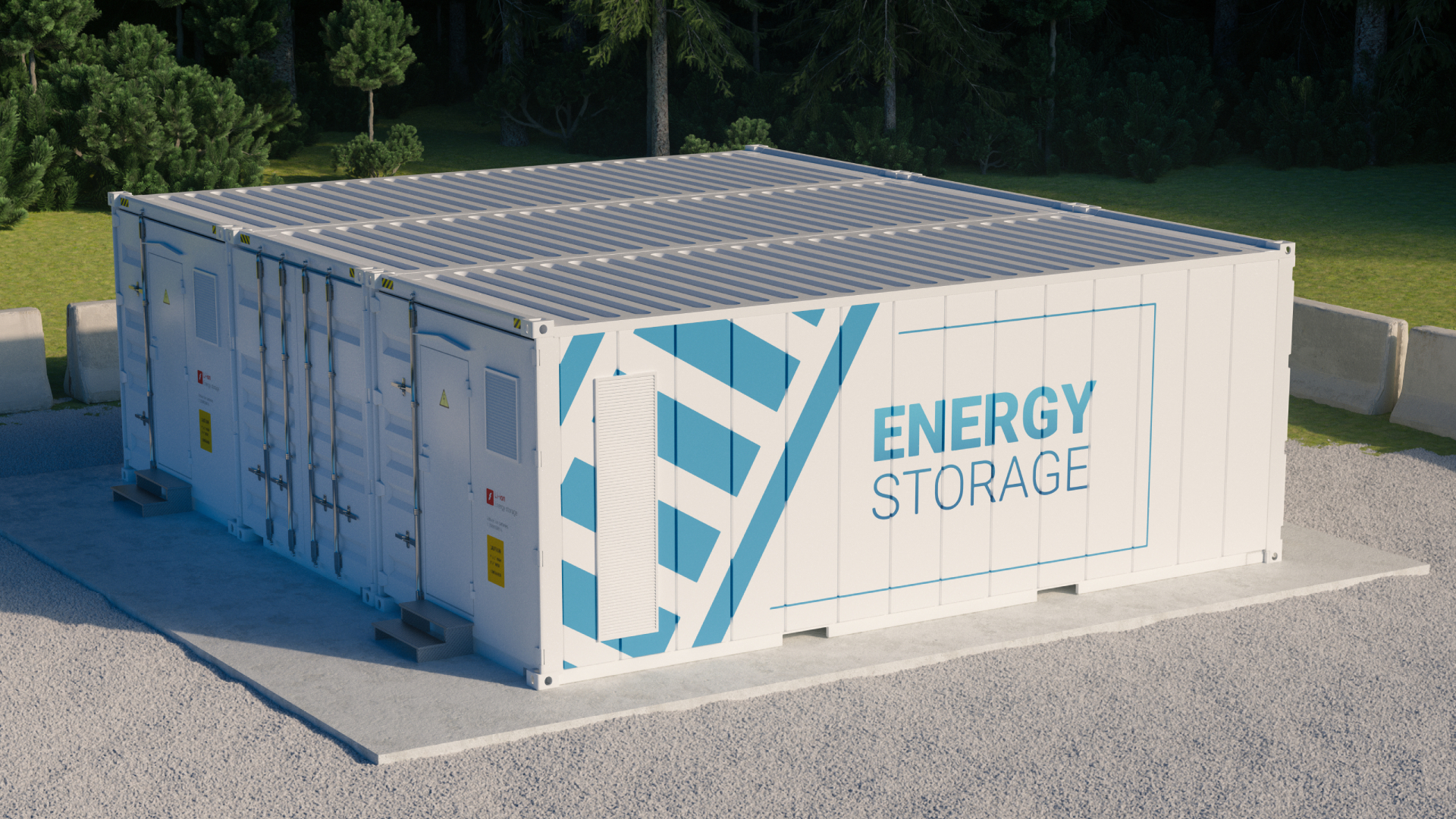
The shifting Malaysian energy market is prompting local enterprises to reevaluate long-term strategies — balancing profitability, resilience, and environmental stewardship. Commercial solar panels and battery energy storage (BESS) are increasingly recognised as essential components of an effective energy optimisation plan.
Key Benefits of Solar Panels & BESS for Malaysian Businesses
Malaysia’s commercial sector is undergoing dynamic transformation, with forward-looking companies placing a premium on sustainable expansion and strategic cost control. Commercial solar panels and BESS provide a strategic pathway to reduce operational overhead, insulate against volatile energy prices, and significantly cut carbon emissions. For owners of industrial and commercial properties, solar and BESS are also powerful drivers of operational advantage and future-proofing.
Solar panels harness sunlight to produce clean electricity, directly reducing grid reliance and monthly TNB bills. For businesses with high daytime energy demands, solar PV systems enable self-consumption, offsetting peak tariffs. Coupled with BESS, excess power can be stored for use during non-sunny periods, ensuring continuous supply and power quality. Notably, this combination also supports compliance with corporate sustainability targets and disclosure standards that are now front and centre for investors, financiers, and institutional clients.
National policy mechanisms such as the Solar Accelerated Transition Action Programme (Solar ATAP) and other government incentives continue to drive commercial solar installations. By aligning with these national incentives and sustainable energy policies, businesses gain access to grants, favourable tariffs, and recognition through programmes like the National Energy Award.
Is Your Business Ready for Commercial Solar Panels?
Before making the switch, it’s crucial to evaluate your facility’s suitability and readiness for rooftop solar. Several practical and regulatory factors shape how commercial solar projects are scoped and implemented in Malaysia.
Property Types and Installation Requirements
Most large roofed properties in Malaysia — factories, warehouses, shopping malls, and office complexes — are eligible for commercial solar installation. Rooftop solar suits a range of commercial and industrial property types provided the roofing structure is sound, unobstructed, and oriented for maximal sunlight exposure.
Minimum Roof Space and Structural Considerations
As a general baseline, a minimum roof area of 80–100m² is often required for a meaningful system size. Certified engineers examine the building’s structure for regulatory adherence and safety, accounting for load capacity, wind resistance, and waterproofing. The pre-assessment phase also evaluates roof inclination, potential shading, and any existing rooftop systems. For buildings with multiple owners or tenants, additional legal permissions might be necessary.
Assessing Power Usage and Sizing Your Solar + BESS System
Achieving the highest returns from solar and BESS hinges on precision: both your power requirements and your system’s specifications must be expertly matched. This calls for a methodical approach to analysing current consumption and future business needs.
How to Analyse Power Consumption for Solar Sizing
Begin with a detailed energy audit, examining your historical TNB bills for maximum demand, peak hours, and seasonal consumption patterns. Commercial solar panel providers use this load profile to simulate the optimal PV system size — often measured in kWp for solar, and kWh for BESS. For most companies, an optimally sized system can offset 60–85% of existing grid use — striking the ideal balance between financial return, capital outlay, and compliance with local programme caps.
Right-Sizing Your Commercial Solar Panel & BESS System
Sizing goes beyond roof area: it must account for daily usage cycles, process-specific power needs, and future growth. Oversizing can lead to regulatory ceilings imposed by initiatives such as Solar ATAP; going too small, meanwhile, leaves valuable savings untapped.
Incorporating BESS increases energy independence by supporting greater on-site usage, time-shifting electricity demand, and providing critical backup during interruptions — maximising the overall solar ROI for companies in manufacturing, logistics, and 24-hour operations.
Interested in maximising your property’s energy efficiency or future-proofing your business against rising utility costs? Book a free consultation with a certified local expert today for a clear, customised strategy.
What Determines Commercial Solar Panel Costs?
The investment required for a commercial solar installation is influenced by more than just equipment price tags. Here are the primary cost drivers — and what they mean for planning your company’s solar project.
Main Cost Factors for Companies
Project investments vary based on system size, brand of solar modules, inverter choices, and complexity of the site. Across Malaysia, greater industry maturity and increased competition have consistently driven down upfront system costs, with typical commercial solar installations ranging from RM4,000 to RM5,000 per kWp (excluding BESS). Government incentives and financing, such as green loans and grants, can offset upfront expenses.
Annual maintenance, monitoring, and possible TNB application fees should be factored into financial planning. Importantly, battery costs are falling globally, making BESS integration increasingly affordable for commercial and industrial solar solutions. To guard against fluctuations in equipment availability and pricing, it is recommended to lock in supply contracts early and work with experienced contractors.
Contact Northern Solar for a Commercial Solar Panel Site Assessment
To fully capitalise on the benefits of commercial solar installation and BESS, businesses in Malaysia benefit most when working with a trusted solar contractor for technical expertise and regulatory know-how.
Northern Solar, as a leading EPCC (Engineering, Procurement, Construction, and Commissioning) provider, supports our clients through the full lifecycle of commercial solar projects — from site assessment, system design, and regulatory submissions to construction, grid integration, and ongoing maintenance. Contact us for a site-specific analysis and allow our team to show you how your property can actively contribute to Malaysia’s renewable energy transformation while maximising long-term savings.